By Dr. David LaMond
Medical Director, DermaBlue
Founder and Medical Director, Blue Sky MD
After more than 20 years of treating women with hormone-related concerns, I have made a consistent clinical observation:
Women receiving well-managed hormone therapy often look younger than women of the same age who are not receiving hormone therapy.
Their skin often appears thicker, smoother, brighter, and better hydrated. They frequently have fewer fine lines, less crepey skin, and better support around the mouth and lower face. They also tend to respond more predictably to collagen-building treatments and often seem to recover more efficiently following cosmetic procedures.
This does not mean hormone therapy is a facelift in a prescription.
It means hormones influence the health, structure, and repair capacity of the skin. When estrogen and progesterone decline during perimenopause and menopause, the skin loses some of the biological support it has relied on for decades.
Here at DermaBlue, we improve the skin from the outside in.
At our sister practice, Blue Sky MD, we address hormone health from the inside out.
In my experience, combining these two approaches produces some of our most natural, durable, and satisfying results.
Your Skin Is a Hormone-Responsive Organ
Most women are taught to think about estrogen and progesterone primarily as reproductive hormones.
Hormonal importance and influence extends much further.
Skin cells contain hormone receptors. Estrogen affects fibroblasts, keratinocytes, blood vessels, sebaceous glands, hair follicles, and many of the structures responsible for skin strength, moisture, elasticity, and repair. When estrogen declines, skin commonly becomes thinner, drier, less elastic, and more prone to wrinkling.
This helps explain why women often notice a sudden change in their appearance during perimenopause.
They may say:
“I feel like I aged five years in one year.”
“My face suddenly looks tired.”
“My skin has become thin and dry.”
“I am developing lines around my mouth.”
“My skin does not bounce back like it used to.”
These changes are not imaginary, and they are not always explained by sun exposure or normal chronological aging alone.
A significant part of female facial aging is hormonal.
What I See in Women Receiving Hormone Therapy
Women receiving appropriately selected and carefully monitored menopausal hormone therapy often have a different skin quality.
Clinically, I commonly observe:
- Better skin hydration
- Improved luminosity
- Greater firmness
- More resilient skin
- Fewer fine lines
- Less crepey texture
- Better support around the mouth
- Less rapid development of perioral wrinkles
- Improved overall facial vitality
- Better recovery following cosmetic procedures
- A stronger response to collagen-stimulating treatments
These changes often develop gradually. Patients may not wake up one morning looking dramatically different. Instead, they notice their skin feels better, makeup applies more smoothly, fine lines appear softer, and their face seems healthier and less tired.
Family members or friends may tell them they look rested or refreshed without knowing exactly why.
The goal is not to make someone look artificially young. The goal is to help her skin behave more like healthy, well-supported tissue.
Estrogen Helps Preserve Collagen
Collagen provides the structural framework supporting the skin. It contributes to thickness, strength, firmness, and resistance to wrinkling.
When estrogen falls, collagen production decreases and collagen breakdown becomes more prominent. The skin gradually loses thickness and support.
Systemic estrogen therapy has been associated with increased skin collagen, improved thickness, better hydration, and greater elasticity in multiple studies and reviews. Researchers believe estrogen works partly by stimulating collagen synthesis while reducing excessive collagen degradation.
A 2025 review of menopause-related skin aging found most published studies reported positive associations between hormone therapy and improvements in collagen production, hydration, elasticity, and overall skin quality, although individual study results were not completely uniform.
This is consistent with what I have observed for years.
Women with healthier estrogen levels generally have a better biological foundation for maintaining firm, hydrated, resilient skin.
Hormone Therapy May Improve Skin Elasticity
Elasticity is the skin’s ability to stretch and return toward its original position.
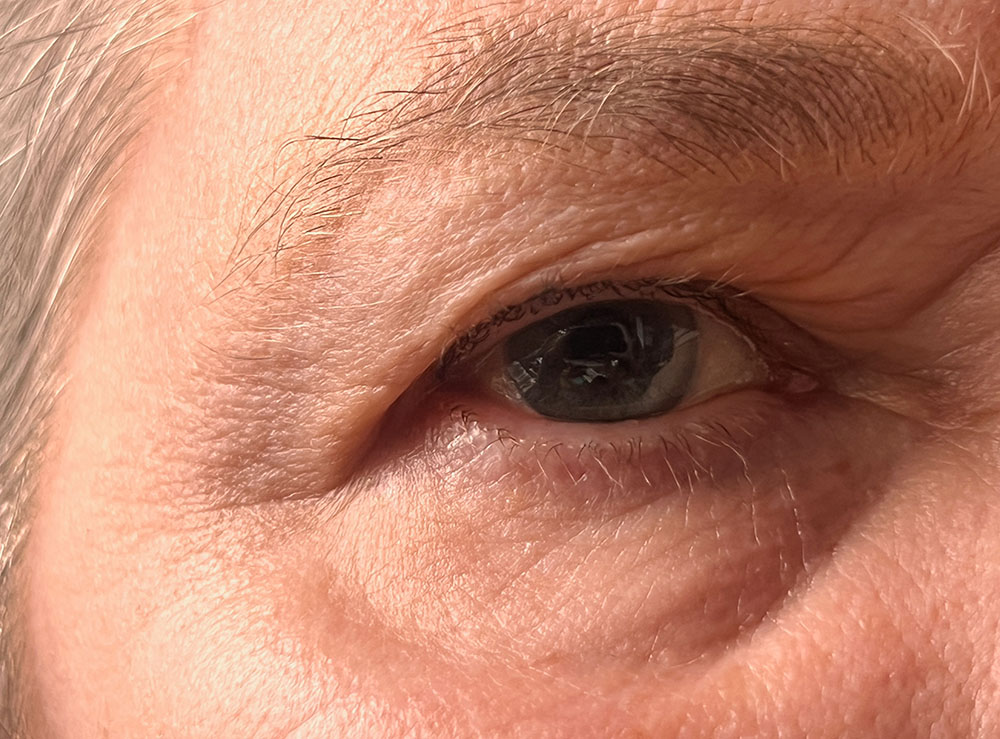
When elasticity decreases, the skin begins to look looser, thinner, or more crepey. The jawline may soften, and lines around the eyes and mouth become more noticeable.
One clinical study found skin elasticity declined approximately 0.55% for every year after menopause. In women who began systemic hormone therapy, skin elasticity increased by approximately 5.2% over 12 months.
A 5% change in elasticity may not sound dramatic on paper, but changes in skin quality are cumulative.
Better elasticity, better hydration, greater collagen support, improved sleep, and healthier body composition can combine to create a noticeably younger and healthier appearance.
Progesterone and Wrinkles Around the Mouth
Estrogen receives most of the attention in discussions about skin aging, but progesterone also appears to matter.
In my clinical experience, progesterone loss often becomes visible around the mouth.
I frequently see women develop:
- Vertical lip lines
- Fine wrinkles above the upper lip
- Thinning of the lips
- Crepey skin around the mouth
- Reduced structural support in the lower face
- A more drawn or tired appearance
These are often called smoker’s lines, even in women who have never smoked.
Sun exposure, facial movement, dental structure, genetics, and volume loss all contribute. However, I have repeatedly observed this pattern accelerate as progesterone declines during perimenopause and menopause.
Direct research isolating systemic progesterone as the cause of perioral wrinkling remains limited. However, progesterone receptors are present in the skin, and smaller studies support a potential role for progesterone in skin firmness and wrinkle depth.
My practical conclusion is simple:
Estrogen is not the only hormone influencing how a woman’s face ages.
This is why a complete hormone evaluation should consider estrogen, progesterone, testosterone, thyroid function, symptoms, menstrual history, sleep, nutrition, and overall metabolic health rather than focusing on one laboratory number.
Healthy Hormones Create a Better Canvas
At DermaBlue, we offer some of the most effective technologies available for building collagen, tightening skin, improving texture, and reducing wrinkles.
These treatments include:
- Traditional microneedling
- Radiofrequency microneedling
- XERF radiofrequency skin tightening
- Fractional laser resurfacing
- Nonablative laser treatments
- PRF and regenerative treatments
- Neuromodulators
- Dermal fillers
- Biostimulatory injectables
- Medical-grade skin care
However, every procedure depends on the patient’s biology.
Microneedling, radiofrequency, and laser resurfacing do not place finished collagen into the skin. They create a controlled stimulus and ask the body to produce new collagen, reorganize damaged tissue, and rebuild the dermal structure.
The treatment provides the signal.
The patient’s cells must perform the repair.
This is one reason I believe women with well-managed hormones often respond better. Their skin frequently begins with better hydration, stronger tissue quality, and a healthier environment for collagen production.
Published research confirms radiofrequency microneedling can increase collagen and elastin, improve wrinkles and elasticity, and stimulate healthier fibroblast activity in aging skin.
Research has not yet adequately compared microneedling or XERF results in women receiving MHT with results in untreated menopausal women. My opinion here is based on extensive clinical observation:
When the internal environment is healthier, collagen-building procedures often have a better foundation on which to work.
Hormone Therapy and XERF Skin Tightening
XERF is a noninvasive radiofrequency treatment designed to deliver controlled energy into deeper supportive tissue. This energy stimulates gradual collagen remodeling, helping improve firmness, contour, and mild-to-moderate skin laxity without needles, incisions, or significant downtime.
XERF is especially appealing for women who want:
- Firmer facial skin
- Improved jawline definition
- Smoother crepey texture
- Better neck support
- Natural-looking tightening
- Little or no interruption to daily life
XERF initiates a collagen-building process that develops over weeks and months.
In my experience, patients with healthy hormone levels, adequate protein intake, good metabolic health, and appropriate skin care tend to create a stronger overall environment for collagen remodeling.
Think about it like strength training.
The exercise provides the stimulus. Results still depend on nutrition, sleep, hormones, recovery, consistency, and the health of the underlying tissue.
XERF provides an excellent collagen stimulus. Hormone optimization may help improve the biological environment responding to that stimulus.
Learn more about XERF skin tightening at DermaBlue.
Hormone Therapy and Microneedling
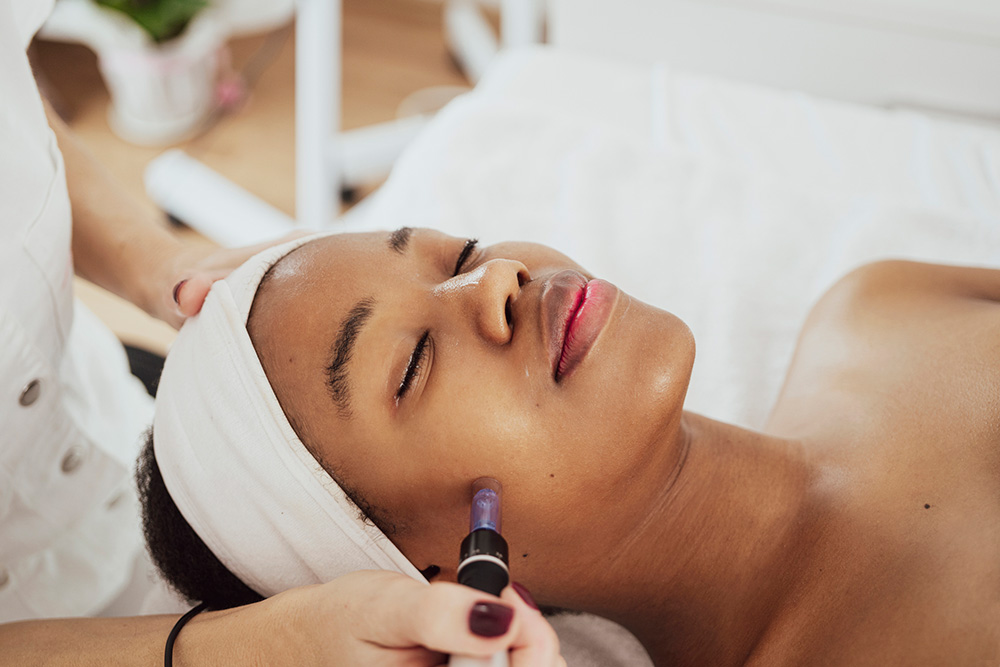
Microneedling creates thousands of controlled microchannels within the skin. This activates a healing response and encourages the production of new collagen and elastin.
It can help improve:
- Fine lines
- Enlarged pores
- Uneven texture
- Mild skin laxity
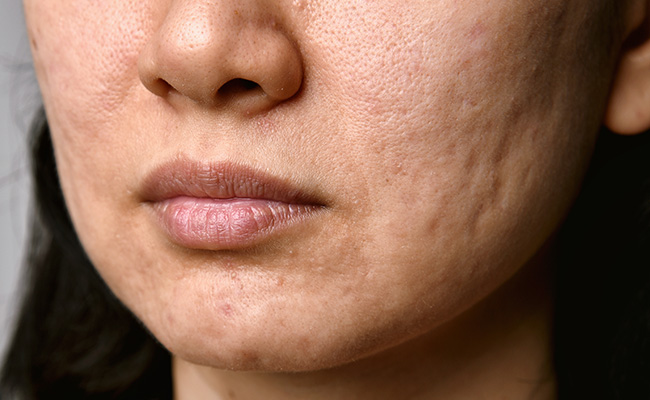
- Acne scarring
- Crepey skin
- Early facial aging
Radiofrequency microneedling adds carefully controlled thermal energy below the surface, providing an additional stimulus for tightening and remodeling.
Because these procedures rely on the body’s ability to repair and rebuild, skin health matters.
Women with severe estrogen deficiency often have thinner, drier, more fragile skin and impaired wound-healing biology. Estrogen influences inflammation, re-epithelialization, blood supply, and several stages of skin repair. Reviews of estrogen and aging skin support a beneficial role in wound-healing physiology, although direct trials involving modern cosmetic procedures remain limited.
Clinically, I find women on well-managed hormone therapy often tolerate collagen-building procedures well and recover with healthier-looking skin.
Learn more about microneedling at DermaBlue.
Hormone Therapy, Cosmetic Surgery, and Healing
Healthy healing requires adequate blood flow, organized inflammation, new tissue formation, collagen production, and remodeling.
Estrogen participates in several of these processes.
Published reviews demonstrate estrogen’s influence on angiogenesis, inflammation, granulation tissue, re-epithelialization, collagen production, and wound contraction. Estrogen deficiency has been associated with thinner skin and delayed wound healing.
In my clinical observation, women with well-managed hormones often appear to recover more efficiently following cosmetic surgery and invasive aesthetic procedures.
They frequently have:
- Better baseline skin quality
- More resilient tissue
- Better hydration
- A healthier collagen framework
- Improved energy during recovery
- Better sleep
- Better preservation of lean muscle
- A more positive overall recovery experience
We should be careful not to promise faster healing for every patient. Surgical recovery is also influenced by age, nutrition, protein intake, smoking, diabetes, circulation, surgical technique, infection risk, and the complexity of the procedure.
Still, hormones are part of the healing environment, and ignoring them leaves out an important part of the picture.
Looking Younger Is About More Than Wrinkles
When women begin appropriate hormone therapy, the change I observe is often broader than fewer wrinkles.
They may sleep better.
They have more energy.
They exercise more consistently.
They maintain muscle more effectively.
Their mood improves.
Their posture and confidence improve.
Their skin looks more hydrated.
Their eyes look less tired.
Their facial expression becomes more energetic and engaged.
This matters because looking younger is not only about wrinkle depth.
Youthfulness is also communicated through movement, muscle tone, skin vitality, energy, facial expression, hair quality, body composition, and confidence.
Hormone therapy can influence several of these areas at the same time.
This is why some women seem to look meaningfully younger after beginning treatment, even when no single cosmetic change appears dramatic in isolation.
Hormone Therapy Is Foundational, Not a Replacement for Aesthetic Care
Hormone therapy cannot replace every cosmetic treatment.
It will not relax a deeply established frown line as predictably as BOTOX® or Dysport®. It will not restore lost facial volume as directly as filler or a biostimulatory injectable. It will not remove sun damage as effectively as a laser or improve laxity as directly as XERF or surgery.
What hormone therapy can do is help support the quality of the tissue being treated.
I think of it as building a better foundation.
DermaBlue treatments can then target specific concerns:
- XERF for tightening and collagen remodeling
- Microneedling for texture and collagen stimulation
- RF microneedling for wrinkles, texture, and laxity
- Laser resurfacing for sun damage and fine lines
- Neuromodulators for expression lines
- Fillers for volume and structural support
- Biostimulatory injectables for gradual collagen production
- Medical-grade skin care for daily protection and maintenance
The best results rarely come from one product or one procedure. They come from combining the right internal support with the right external treatment.
Why DermaBlue Partners With Blue Sky MD
DermaBlue and Blue Sky MD were designed to approach healthy aging from two complementary directions.
DermaBlue treats the skin from the outside in.
Blue Sky MD treats the patient from the inside out.
At DermaBlue, we evaluate:
- Wrinkles
- Skin texture
- Laxity
- Pigmentation
- Sun damage
- Facial volume
- Collagen loss
- Cosmetic goals
At Blue Sky MD, the clinical team can evaluate:
- Estrogen
- Progesterone
- Testosterone
- Thyroid function
- Menopausal symptoms
- Sleep
- Energy
- Libido
- Body composition
- Metabolic health
- Nutrition and protein intake
- Long-term health goals
When appropriate, Blue Sky MD offers individualized menopausal hormone therapy using the delivery method most appropriate for the patient, including pellet, transdermal, and oral options. Its women’s hormone program is designed around individualized evaluation, treatment, and follow-up rather than a one-size-fits-all protocol.
This collaboration allows us to treat more than a wrinkle. It allows us to care for the woman experiencing the wrinkle.
Learn more about women’s hormone therapy at Blue Sky MD.
Request a hormone consultation with Blue Sky MD.
Who Should Consider a Hormone Evaluation?
A hormone evaluation may be appropriate when changes in skin appearance occur alongside:
- Hot flashes
- Night sweats
- Sleep disruption
- Low energy
- Brain fog
- Mood changes
- Anxiety or irritability
- Reduced libido
- Vaginal dryness
- Irregular menstrual cycles
- Loss of muscle
- Increasing abdominal fat
- Reduced exercise recovery
- Hair thinning
- Rapid facial aging
- New perioral wrinkles
- Sudden skin dryness
- Loss of skin firmness
Many women assume these changes are simply unavoidable.
Some degree of aging is natural. However, a sudden decline in skin quality combined with other menopausal symptoms deserves a thoughtful evaluation.
Patients should not be dismissed with, “You are just getting older.” We can often do more.
My Approach to Aging Well
I do not believe the goal should be to make a 55-year-old woman look 25. The goal is to help her look like the healthiest, strongest, most vibrant version of herself.
When hormone therapy is medically appropriate, I believe skin benefits are one meaningful part of the overall result.
Women on well-managed hormone therapy often look younger because their tissues are healthier, their skin is better supported, they sleep better, they maintain more muscle, and they frequently feel more like themselves.
When we combine this internal foundation with thoughtful aesthetic care, the results can be powerful without looking artificial.
The process is straightforward:
- Evaluate hormone and metabolic health through Blue Sky MD.
- Restore appropriate hormonal support when medically indicated.
- Assess skin quality and facial aging at DermaBlue.
- Use treatments such as XERF, microneedling, laser therapy, injectables, or skin care to address specific concerns.
- Maintain results through healthy hormones, adequate protein, exercise, sleep, sun protection, and ongoing skin care.
Healthy hormones create a better canvas. Modern aesthetic treatments help us make the most of it.
Schedule a Free, Personalized Consultation
Women do not have to choose between feeling better and looking better.
The two are often connected.
DermaBlue offers complimentary aesthetic consultations for patients who want a personalized plan for wrinkles, skin laxity, texture, pigmentation, collagen loss, or overall facial aging. DermaBlue currently offers free consultations and treatment options through our Asheville and Hendersonville locations.
Schedule a free DermaBlue aesthetic consultation.
Women experiencing symptoms of perimenopause or menopause can also connect with our sister practice for a comprehensive hormone evaluation.
Explore hormone therapy for women at Blue Sky MD.
Contact Blue Sky MD to get started with a hormone lab test.
Frequently Asked Questions About Hormones & Skin Health
Does hormone therapy make women look younger?
In my clinical experience, women receiving well-managed menopausal hormone therapy often have more hydrated, resilient, and youthful-looking skin. Research supports beneficial effects on collagen, skin thickness, elasticity, and hydration, although individual results vary. (PubMed)
Can Medical Hormone Therapy (MHT) improve collagen?
Estrogen can stimulate collagen production and help limit excessive collagen degradation. Systemic hormone therapy has been associated with improvements in skin collagen and thickness in multiple studies and reviews.
Can hormone therapy reduce wrinkles?
Hormone therapy may soften some aspects of hormonally accelerated skin aging by improving hydration, collagen support, thickness, and elasticity. It does not replace treatments designed to address specific wrinkles, muscle movement, volume loss, or sun damage.
Does progesterone loss cause wrinkles around the mouth?
In my clinical practice, I frequently see vertical lip lines and perioral wrinkling accelerate as progesterone declines. Direct research isolating systemic progesterone as the cause remains limited, so this should be viewed as a strong clinical observation rather than a proven one-to-one relationship.
Do women on hormone therapy heal better after cosmetic procedures?
Estrogen supports several biological processes involved in skin repair, including inflammation, blood-vessel formation, re-epithelialization, and collagen production. In my experience, women with well-managed hormones often have healthier baseline tissue and recover well after cosmetic procedures. Direct comparative studies involving modern aesthetic procedures remain limited.
Can hormone therapy improve XERF results?
No clinical trial has directly tested XERF outcomes in women using MHT versus women not using MHT. However, XERF depends on the body’s collagen-remodeling response, and healthy hormone levels may provide a more supportive biological environment. This relationship is based primarily on clinical observation and known skin biology.
Should women begin hormone therapy only to improve their skin?
Hormone therapy should follow a comprehensive medical evaluation and should address the woman’s overall health, symptoms, risks, and goals. Skin improvement can be a meaningful additional benefit when hormone therapy is otherwise medically appropriate.
Can DermaBlue prescribe hormone therapy?
Hormone evaluation and management are provided through DermaBlue’s sister practice, Blue Sky MD. DermaBlue focuses on dermatology, aesthetic treatments, skin rejuvenation, and cosmetic procedures.